Home » Technical Article » Page 3

MetallographyU
Resource Center

Educational resources for materials preparation, testing, analysis, and laboratory best practices.

Stay informed with expert tips, how-to-guides, and industry insights to help you achieve accurate, reliable analysis.

Featured Post

Metallographic Grinding and Polishing Guide

Learn the fundamentals of metallographic grinding and polishing, including mechanical preparation methods, grinding abrasives, polishing processes, consumable selection, surface preparation, and common polishing challenges.
Grinding and Polishing Guide
Titanium-Specimen-Preparation-and-Testing.jpg

Titanium Specimen Preparation and Testing

Pre titanium is soft and ductile, but is very easily damaged by twinning in sectioning and grinding. Preparation of commercially pure titanium, which is a popular grade, is very difficult, while preparation of the alloys is somewhat easier. Some authors have stated that titanium alloys should not be mounted in
Read More »
Vickers Hardness Testing

Vickers Hardness Testing

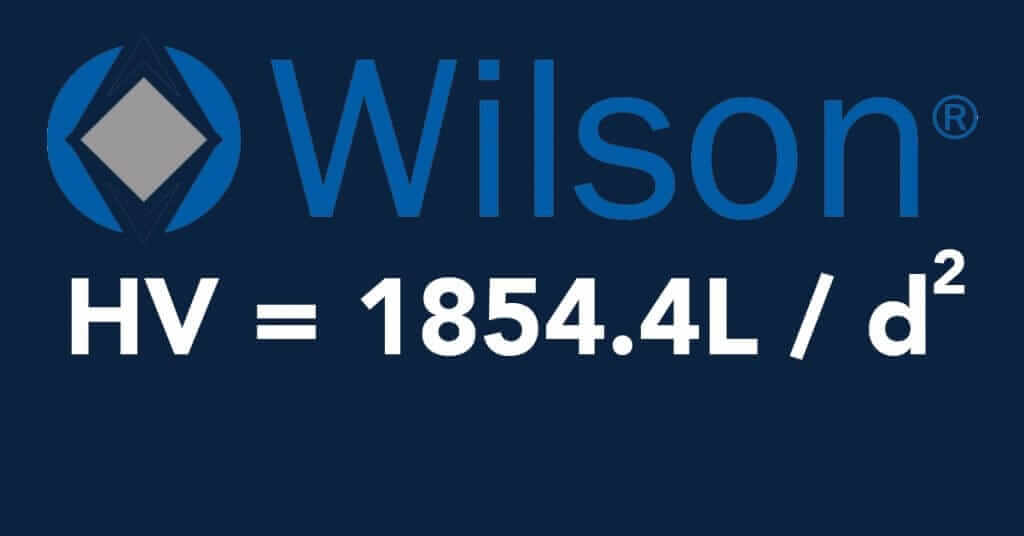
Vickers and Knoop hardness test methods are defined in the following standards: ASTM E384 and ISO 6507. It is recommended that operators have a current copy of the relevant standards, which are updated regularly. In the Vickers hardness test, a load is applied smoothly, without impact, forcing a diamond indenter

Read More »
Knoop Hardness Testing

Knoop Hardness Testing

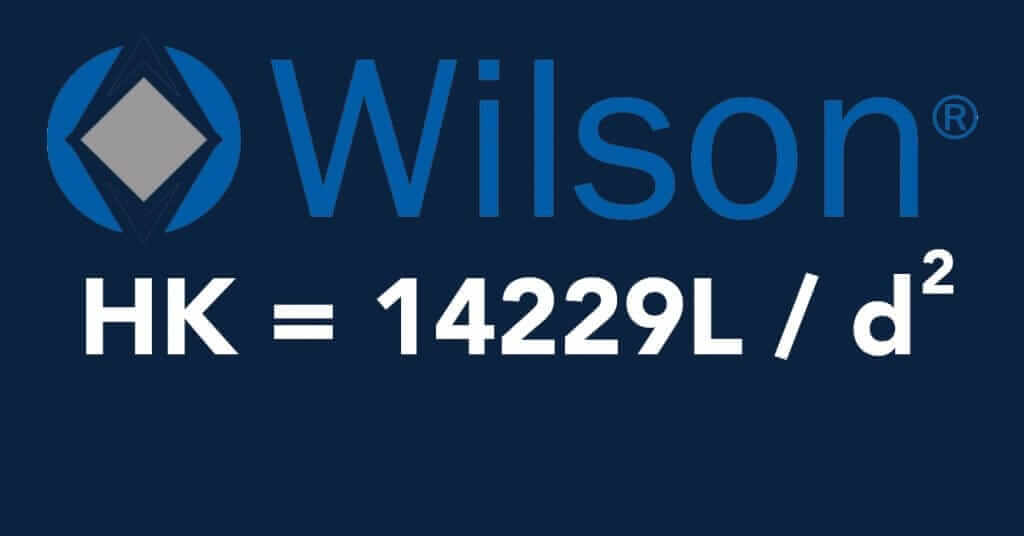
The Knoop hardness test uses a rhombohedral-shaped diamond indenter. The long diagonal is seven times (7.114 actually) as long as the short diagonal. With the indenter shape, elastic recovery can be held to a minimum. The Knoop hardness test is conducted in the same manor, and the the same tester

Read More »
Metallographic Mounting

Metallographic Mounting

The primary purpose of mounting metallographic samples is for convenience in handling samples of difficult shapes or sizes during the subsequent steps of metallographic preparation and examination. A secondary purpose is to protect and preserve extreme edges or surface defects during metallographic preparation. The method of mounting should in no

Read More »
Metallographic Etching

Metallographic Etching

Metallographic etching encompasses all processes used to reveal particular structural characteristics of a metal that are not evident in the as-polished condition. Examination of a properly polished specimen before etching may reveal structural aspects such as porosity, cracks, and nonmetallic inclusions. Indeed, certain constituents are best measured by image analysis

Read More »

Expert Knowledge

Learn from material and analysis preparation experts

Practical Insights

Actionable tips and best practices you can apply today

Industry Focus

Content tailored to meet the needs of your industry

Better Results

Improve accuracy. efficiency, and confidence in your work

Optimize Your Sectioning
Buehler an ITW Company
Buehler Products