United States | EN
 Canada | EN
 United Kingdom | EN
 German | DE
 France | FR
 Mexico | ES
 Japan | JA
 China | ZH
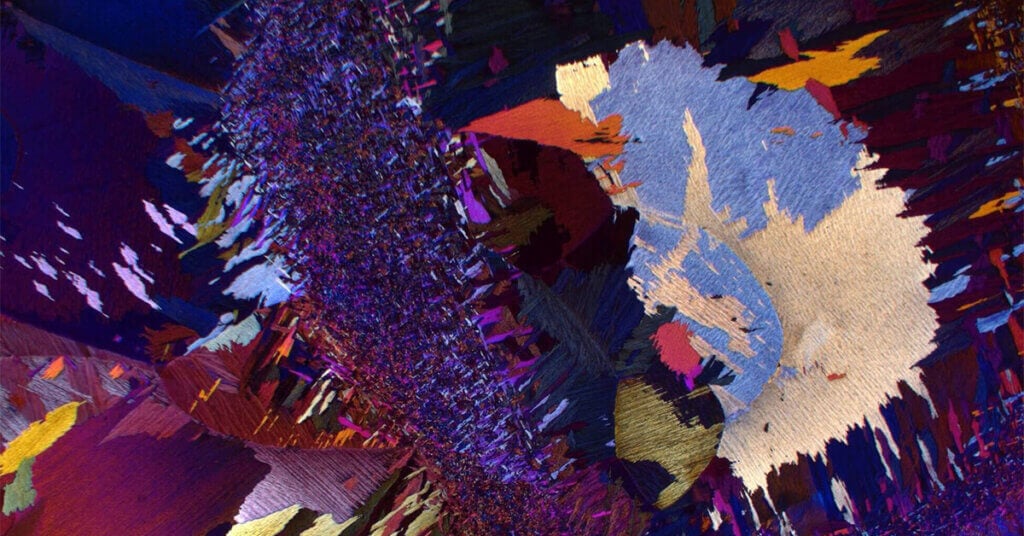
Titanium Metallography: A Guide to Sample Preparation
Learn how to prepare titanium and titanium alloys for metallographic analysis, including guidance for sectioning, mounting, grinding, polishing and etching.
Vibratory Polishing for Metallographic Sample Preparation
Learn how vibratory polishing improves metallographic sample preparation by reducing surface deformation and producing high-quality polished surfaces for advanced material analysis.
Electrolytic Metallographic Preparation and Etching: Traditional vs. NeoTerra
Historically, electrolytic polishing has been applied in metallographic process inspection, particularly for materials that are difficult to prepare using conventional mechanical or chemical methods, such as stainless steels and titanium. Soft metals also benefit from electrolytic techniques, as achieving high-quality mechanical polishing can be more challenging. Electrolytic approaches are typically
Colloidal Silica vs. Alumina for Metallographic Final Polishing
Final Polishing Final polishing suspensions are designed to remove the final layer of surface deformation. The removal of this deformation is essential for successful etching of sensitive materials and also when evaluating any sample with high magnifications, under polarized light or differential interference contrast, or for advanced analysis such as
Monocrystalline vs. Polycrystalline Diamond for Metallographic Polishing
Choosing Diamond Suspension Diamond is routinely used for the preparation of most materials due to its high removal rate and low deformation depth. They are available in a wide range of micron sizes and two main diamond types. The micron size needed is determined by the material and end analysis
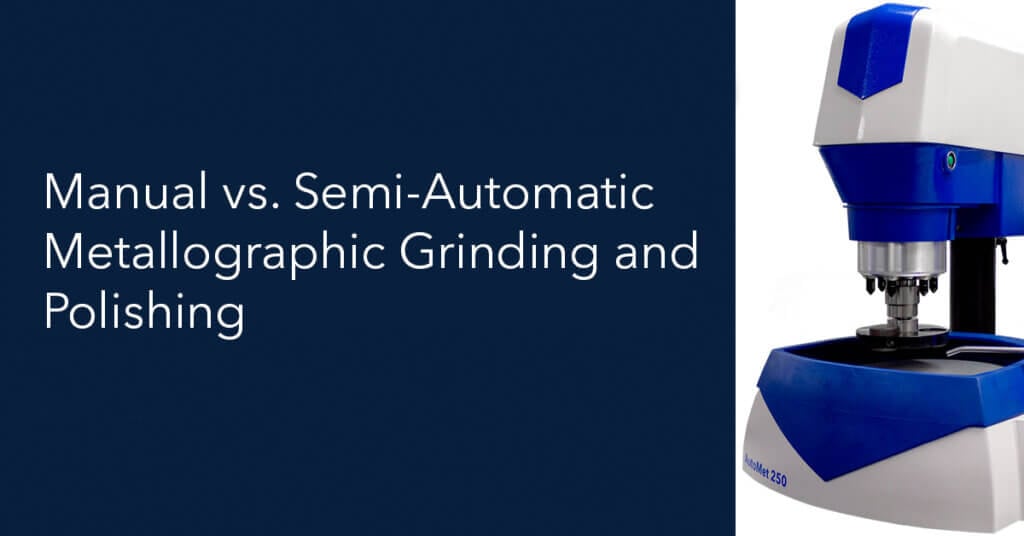
Manual vs. Semi-Automatic Metallographic Grinding and Polishing
Metallography Grinding and Polishing Machines Metallographic grinding and polishing machines are available in manual and semi-automatic configurations. This guide compares manual vs. semi-automatic grinding and polishing methods, including specimen manipulation, central force, and individual force preparation. Manual Metallographic Grinding and Polishing Machines Manual grinding is the process of holding the

View all Products in the Buehler Product Catalog
Select a method by material
Search Buehler's Safety Data Sheets

Browse and search Buehler's product literature