United States | EN
 Canada | EN
 United Kingdom | EN
 German | DE
 France | FR
 Mexico | ES
 Japan | JA
 China | ZH
Rockwell Hardness Testing
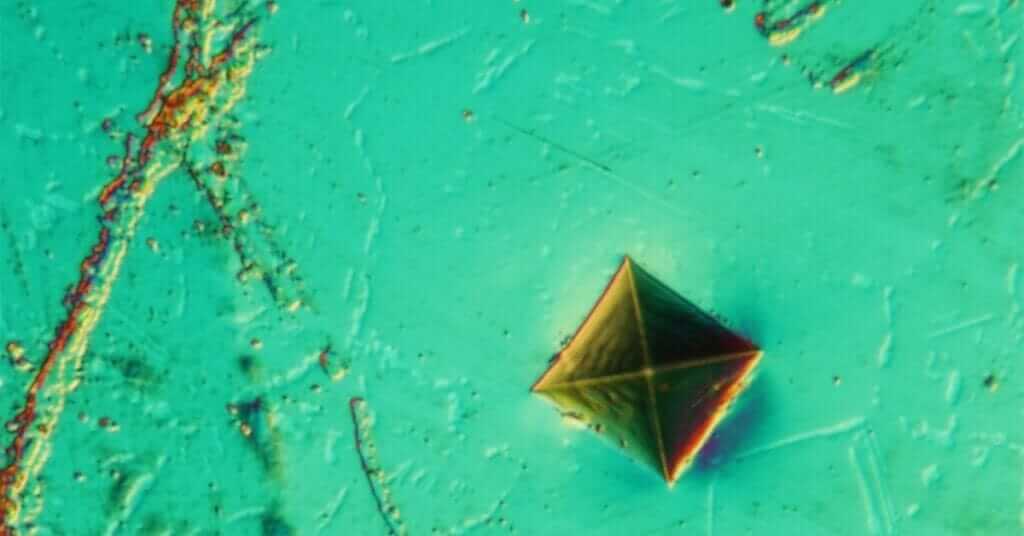
Rockwell hardness testing methods are defined in the following standards: ASTM E18 Metals, ISO 6508 Metals, and ASTM D785 Plastics. It is recommended that operators have a current copy of the relevant standards, which are updated regularly. The Rockwell hardness test is based on the measurement of the depth to which an indenter is forced […]
Brinell Hardness Testing

Brinell test methods are defined in the following standards: ASTM E10 and ISO 6506. It is recommended that operators have a current copy of the relevant standards, which are updated regularly. The Brinell hardness test consists of applying a constant load or force, usually between 187.5 and 3000Kgf, for a specified time (from 10 – […]
Titanium Specimen Preparation and Testing

Pre titanium is soft and ductile, but is very easily damaged by twinning in sectioning and grinding. Preparation of commercially pure titanium, which is a popular grade, is very difficult, while preparation of the alloys is somewhat easier. Some authors have stated that titanium alloys should not be mounted in phenolic resins as the alloys […]
Vickers Hardness Testing
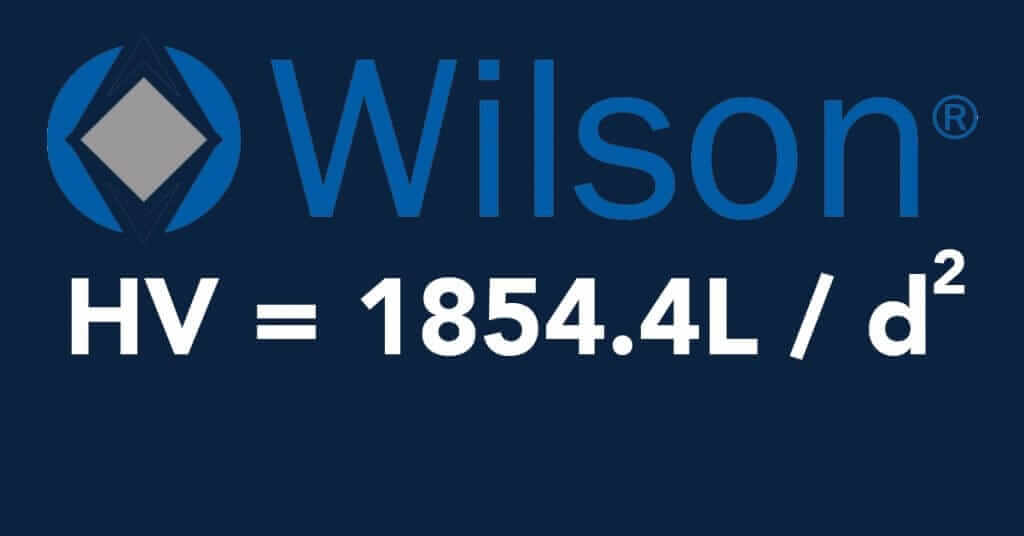
Vickers and Knoop hardness test methods are defined in the following standards: ASTM E384 and ISO 6507. It is recommended that operators have a current copy of the relevant standards, which are updated regularly. In the Vickers hardness test, a load is applied smoothly, without impact, forcing a diamond indenter into the test piece, as […]
Knoop Hardness Testing

The Knoop hardness test uses a rhombohedral-shaped diamond indenter. The long diagonal is seven times (7.114 actually) as long as the short diagonal. With the indenter shape, elastic recovery can be held to a minimum. The Knoop hardness test is conducted in the same manor, and the the same tester as the Vickers hardness test. […]
Metallographic Mounting
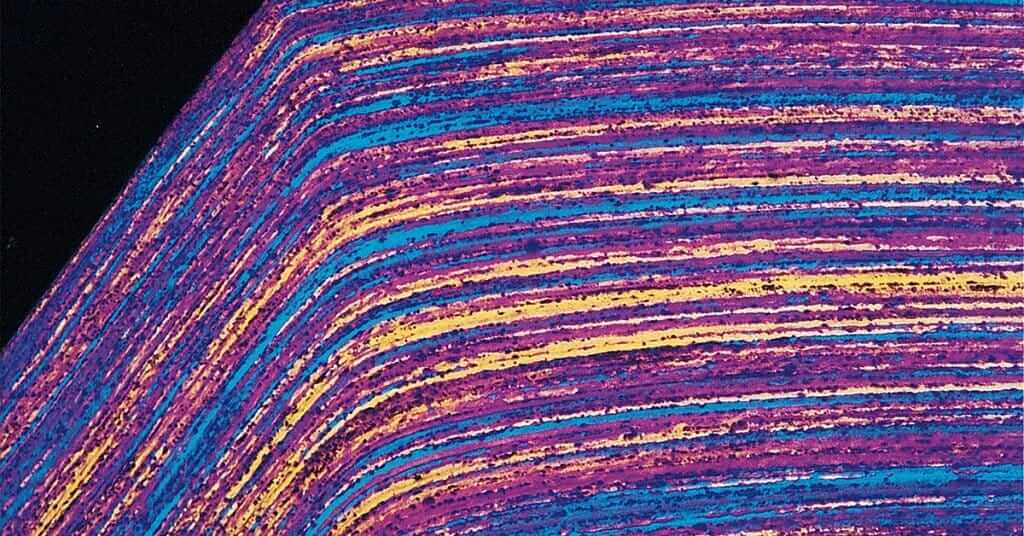
The primary purpose of mounting metallographic samples is for convenience in handling samples of difficult shapes or sizes during the subsequent steps of metallographic preparation and examination. A secondary purpose is to protect and preserve extreme edges or surface defects during metallographic preparation. The method of mounting should in no way be injurious to the […]