VibroMet® 3 Vibratory Polisher

VibroMet 3

Vibratory Polisher for Final Metallographic Surface Finish

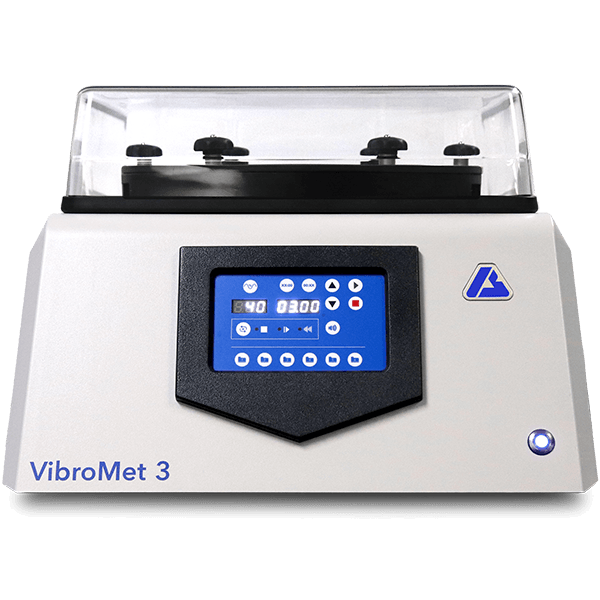
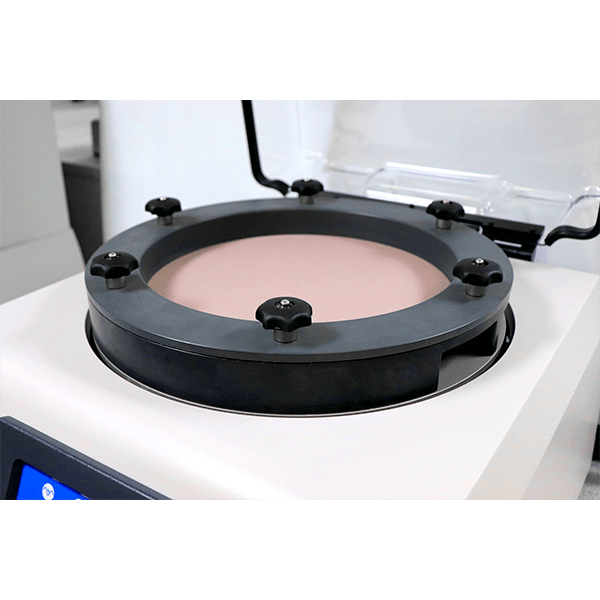
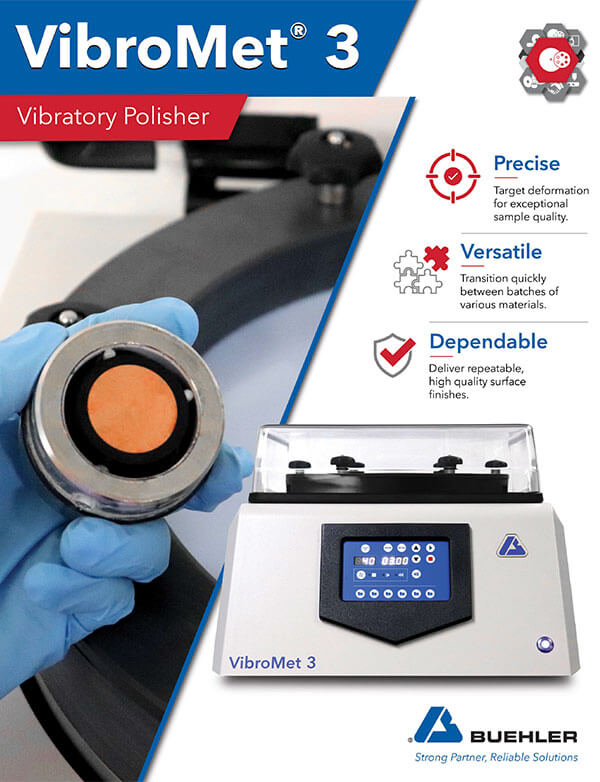
The VibroMet 3 vibratory polisher, with a large, 11.25in [285mm] working surface for multiple samples, is designed to prepare high quality polished surfaces for a wide variety of applications, including EBSD and AFM analysis. The horizontal oscillation removes minor deformations, yielding an exceptional surface. Add this after your initial polishing and grinding steps to take your polishing to another level.

Why Choose the VibroMet 3 Vibratory Polishing for your Final Surface Preparation?

  • Vibratory polishing is able to remove minor deformation left over from conventional polishing steps
  • Its high quality polish makes it ideal for Electron Back-Scatter Diffraction (EBSD) and Atomic Force Microscopy (AFM)
  • You can protect your samples from oxidation or crystallization with our new end cycle options: ON, OFF or PULSE
  • Reduce training and increase consistency by saving polishing methods (up to 6)
  • Spend less time cleaning, cleaning time has been reduced by more than half.

Ordering

VibroMet 3
Part Number Voltage Request a Quote
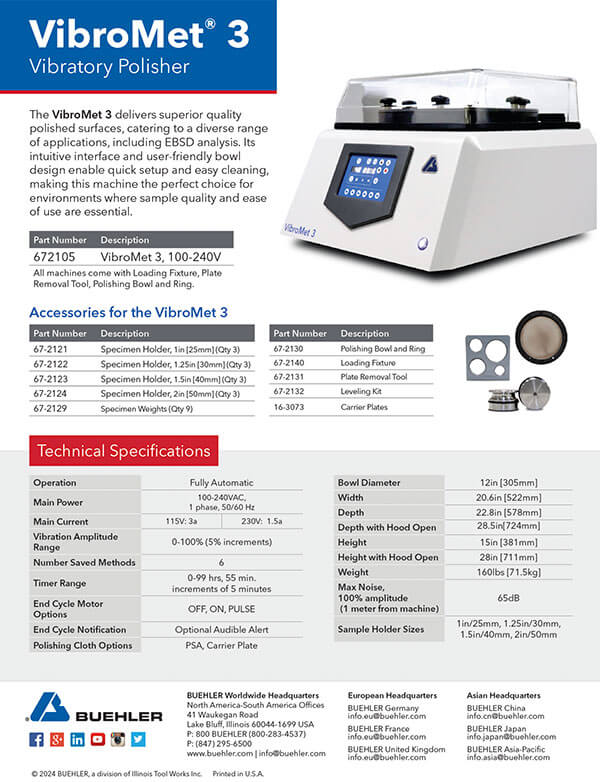
67-2105 100-240V Request a Quote
Accessories
Part Number Size QTY
67-2121 Specimen Holder
(1in/25mm)
3 holders
67-2122 Specimen Holder
(1.25in/30mm)
3 holders
67-2123 Specimen Holder
(1.5in/40mm)
3 holders
67-2124 Specimen Holder
(2in/50mm)
3 holders
67-2129 Specimen Weights 9 weights & 3 studs
67-2130 Polishing Bowl and Ring 1 bowl & 1 ring
67-2131 Plate removal tool 1 removal tool
67-2140 Loading Fixture (works with all round mounted sample sizes) 1 loading fixture

Specifications

VibroMet 3
Frequency 50/60 Hz
Voltage 100-240 V
Phase 1
Product Literature
Consumables and Accessories

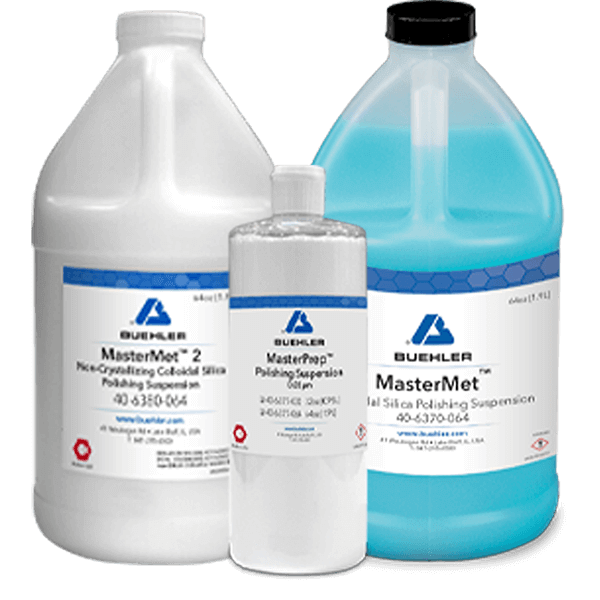
Final Polishing Suspension

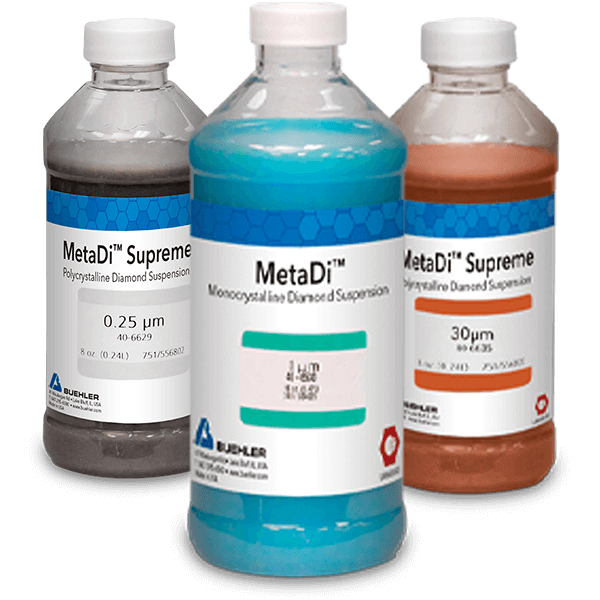
Diamond Polishing Suspension
Related Products
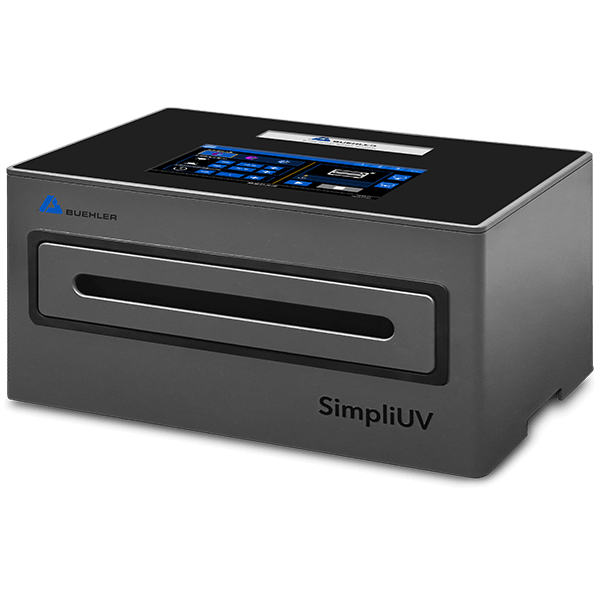
UV curing mounting system

8-12in [203-305mm]
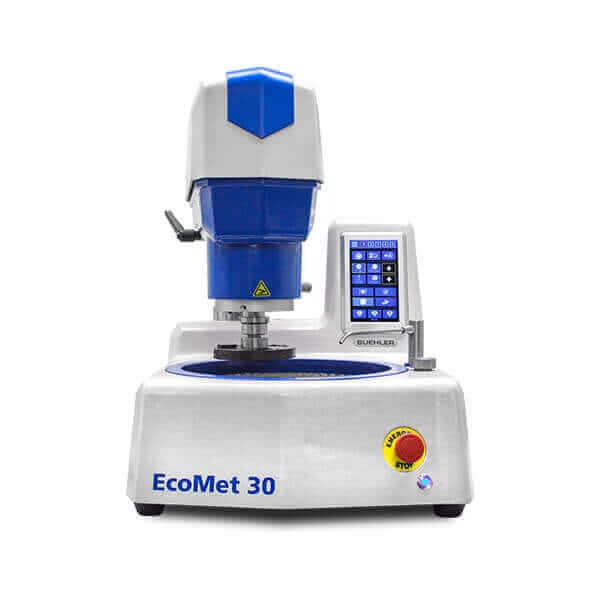
Semi-Automatic Grinder-Polisher

8-12in [203-305mm]
Semi-Automatic Grinder-Polisher

8-12in [203-305mm]
Manual Grinder-Polisher

Frequently Asked Questions

General Questions
What is a vibratory polisher?
Equipment that utilizes vibration between the sample surface, polishing suspension and polishing cloth to gently remove material from a leveled sample surface.
Vibratory polishing yields a higher quality surface finish than traditional grinding and polishing equipment.
Surface quality requirements vary depending on the analysis method or the magnification of the images being captured. Traditional mechanical polishing may appear scratch-free but can leave surface deformation. Some analyses – such as EBSD and color etching – require an extremely low deformation finish. Vibratory polishing can prepare samples to a level where scratches and deformation, sometimes left behind by traditional polishing methods, are no longer present.

Vibratory polishing utilizes rapid, oscillating horizontal movements to gently remove material from sample surfaces. These movements remove deformation from previous polishing cycles, resulting in an even higher-quality surface finish.

Electropolishing can lead to excess rounding at feature boundaries due to preferential polishing, as well as uneven removal if used for excess times. Vibratory polishing maintains surface flatness, even with mixed material samples or longer polishing times.
Vibratory polishers are not used instead of conventional polishers; they are used in addition to conventional polishing machines when a higher quality surface finish is needed.
Vibratory polishing is used in metallography to remove remnant scratches or deformation, producing a higher-quality surface finish.
Any material that can be mechanically ground and polished can also be polished in a vibratory polisher.

Yes. We recommend that vibratory polishing be performed on samples after conventional polishing if EBSD analysis is the method of analysis. This article contains preparation methods for multiple material types.

Cycles can range from half an hour to multiple hours, depending primarily on start condition and sample material.
Yes, unmounted samples can be polished in a vibratory polisher.
Consumable and Accessory Questions
What consumables are used with a vibratory polishing machine?
Polishing cloths and suspensions are required for the VibroMet 3.
A loading fixture, specimen holders, and specimen weights are recommended accessories when working with mounted samples. To further improve your cleaning process, we also recommend using carrier plates. Carrier plates make it significantly easier to remove the polishing cloth.
Napped cloths such as Microcloth or MasterTex are typically recommended.

Use the same suspension as your final polishing step.

Equipment Questions
What is the difference between a vibratory polisher and a grinder polisher?
Vibratory polishers are much less aggressive in material removal than a grinder polisher. They are typically used for final polishing only, unlike mechanical grinder-polisher machines that are used for planarizing and rapid material removal, as well as mechanical polishing. The gentler polishing action of the vibratory polisher removes surface deformation that is unavoidable using conventional polishing.
No, we recommend using a vibratory polisher after the final steps of using a grinding and polishing machine.

Yes, as this is a semi-automatic vibration polishing system, it would fit in perfectly with other automated polishers.

Buying Questions
What is the sample capacity of the VibroMet 3?

The VibroMet 3 uses 12inch [305 mm] diameter cloths, and has a circular usable area of about 11.25inch [285 mm].

Dr. Mike Keeble

Find Your Solutions

Full Lab
Metallography Solutions
Looking for more information from us? Browse through our Solutions section to view technical articles, find recommended processing methods, look at industry solutions, and more.
Need Additional Help?

Do you want to improve your process? Reach out for one-on-one help from our applications experts.

Contact Buehler Lab

Contact Lab Team

Contact Buehler

Contact Customer Care

Quick Links

Quickly access important info or visit our E-Shop

Buehler Literature
Product Catalog

View all Products in the Buehler Product Catalog

methods by material
Methods by Material

Select a method by material
SDS Search
SDS

Search Buehler's Safety Data Sheets

Buehler Literature Search
Product Literature

Browse and search Buehler's product literature

Optimize Your Sectioning
Buehler an ITW Company
Buehler Products