United States | EN
 Canada | EN
 United Kingdom | EN
 German | DE
 France | FR
 Mexico | ES
 Japan | JA
 China | ZH
Aluminum Metallographic Specimen Preparation and Testing

The following are our recommendations for preparing aluminum for metallographic specimen testing according to common characteristics. We will cover both the four step and five step methods for preparing aluminum as well as some helpful tips during specimen preparation and testing. Etching Aluminum is a soft, ductile metal. Deformation induced damage is a common preparation […]
Metallographic Polishing Abrasives
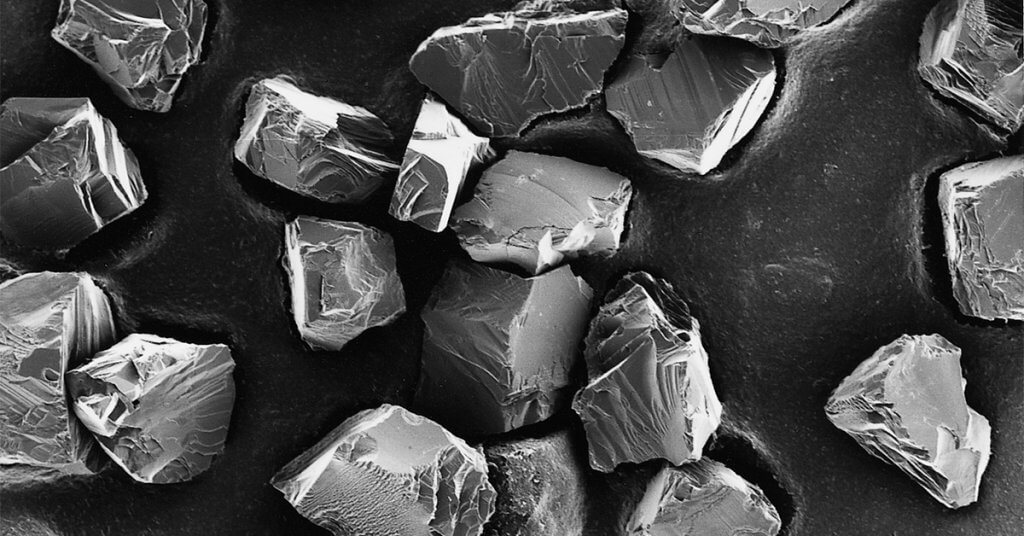
Polishing usually involves the use of one or more of the following abrasives: diamond, aluminum oxide (Al2O3), and amorphous silicon dioxide (SiO2) in collidal suspension. For certain materials, cerium oxide, chromium oxide, magnesium oxide or iron oxide may be used, although these the late 1920s, as Hoyt [7] mentions a visit to the Carboloy plant […]
Rockwell Hardness Testing
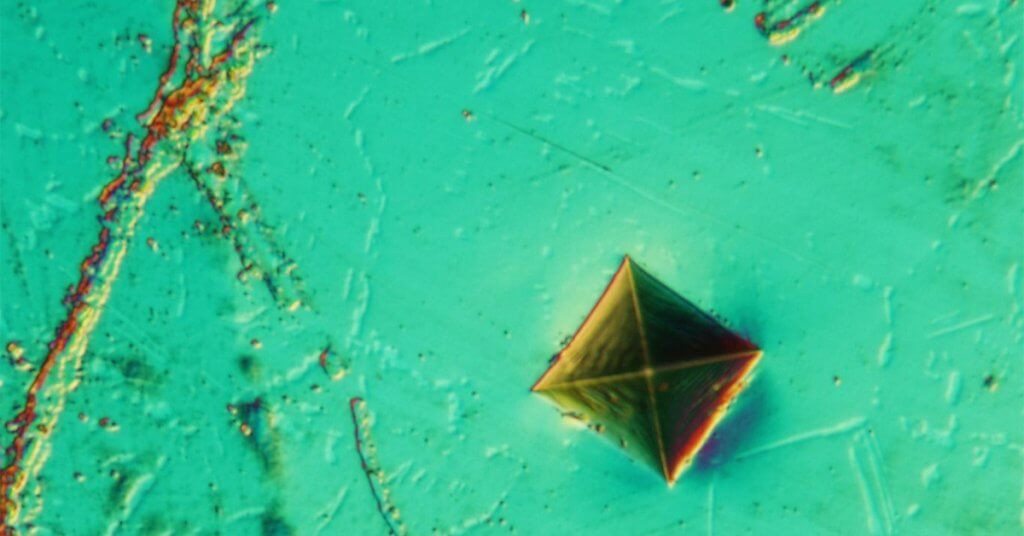
Rockwell test methods are defined in the following standards: ASTM E18 Metals, ISO 6508 Metals, and ASTM D785 Plastics. It is recommended that operators have a current copy of the relevant standards, which are updated regularly. The Rockwell hardness test is based on the measurement of the depth to which an indenter is forced by […]
Brinell Hardness Testing
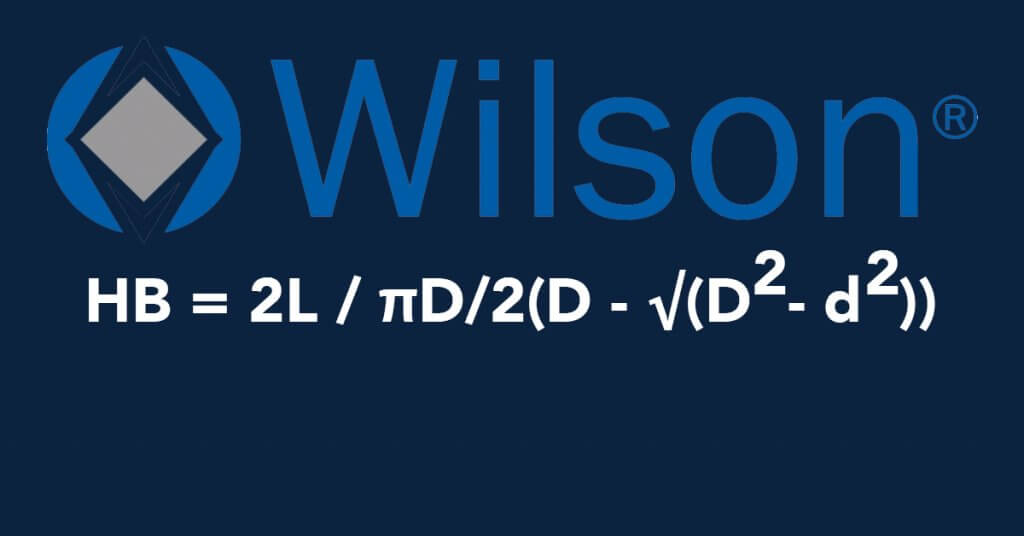
Brinell test methods are defined in the following standards: ASTM E10 and ISO 6506. It is recommended that operators have a current copy of the relevant standards, which are updated regularly. The Brinell hardness test consists of applying a constant load or force, usually between 187.5 and 3000Kgf, for a specified time (from 10 – […]
Titanium Specimen Preparation and Testing
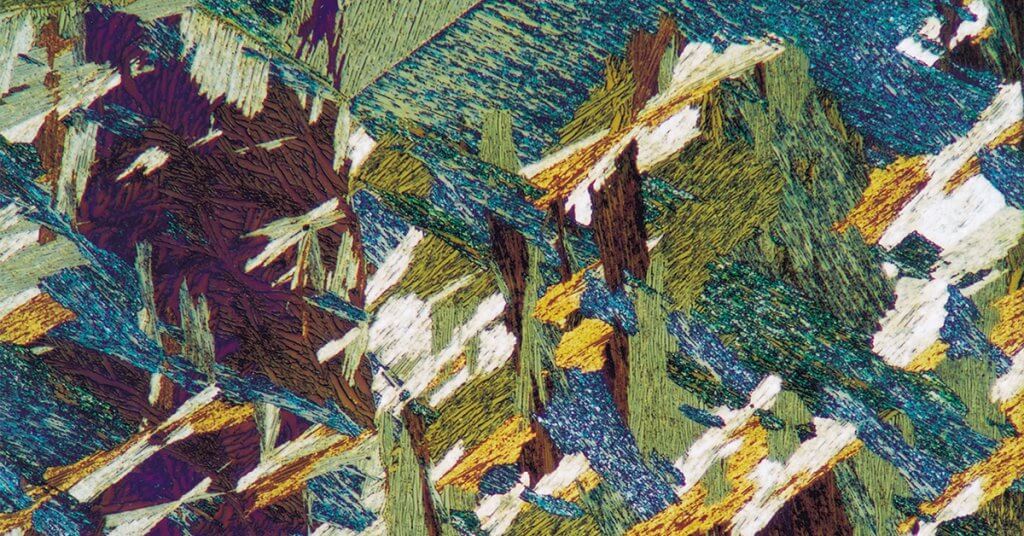
Pre titanium is soft and ductile, but is very easily damaged by twinning in sectioning and grinding. Preparation of commercially pure titanium, which is a popular grade, is very difficult, while preparation of the alloys is somewhat easier. Some authors have stated that titanium alloys should not be mounted in phenolic resins as the alloys […]
Vickers Hardness Testing
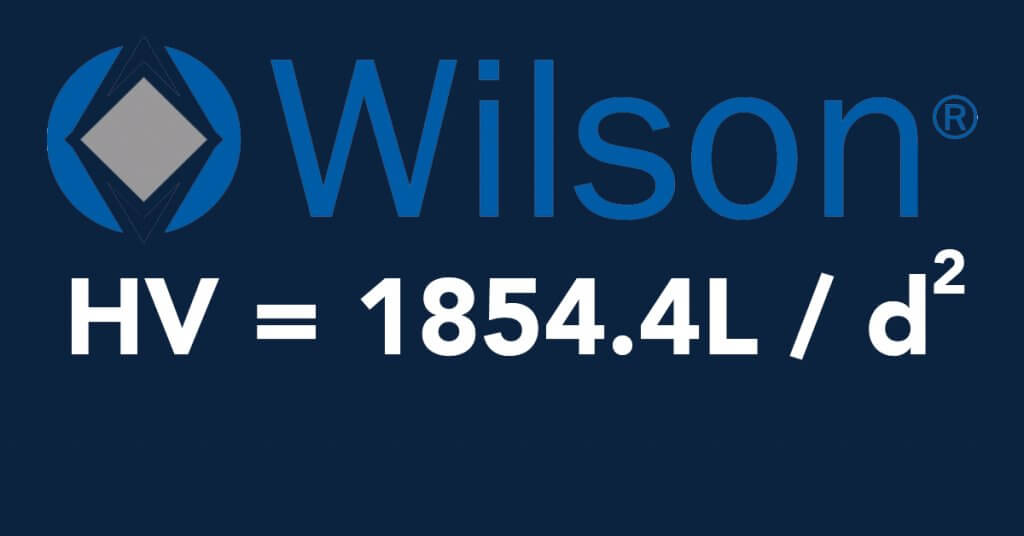
Vickers and Knoop hardness test methods are defined in the following standards: ASTM E384 and ISO 6507. It is recommended that operators have a current copy of the relevant standards, which are updated regularly. In the Vickers hardness test, a load is applied smoothly, without impact, forcing a diamond indenter into the test piece, as […]
Knoop Hardness Testing
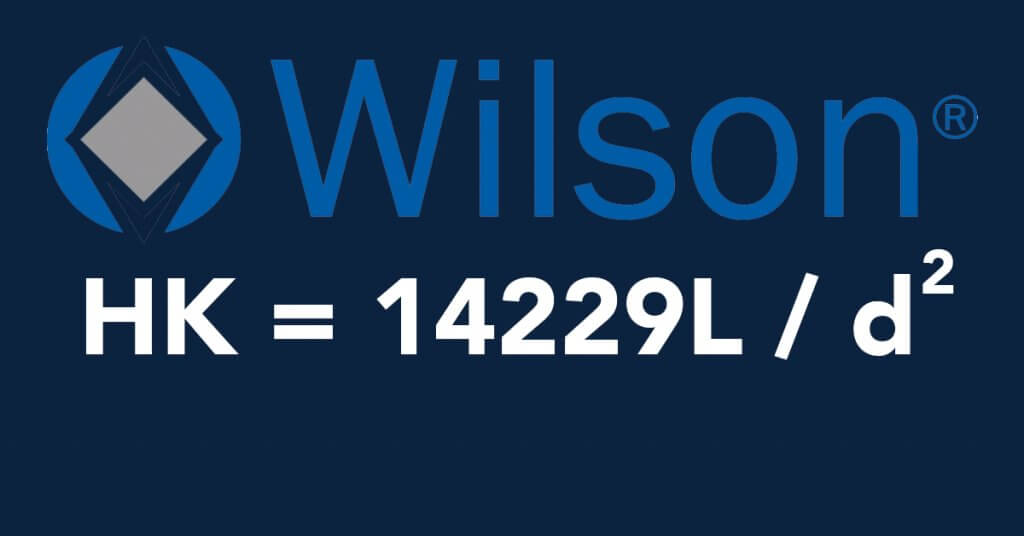
The Knoop hardness test uses a rhombohedral-shaped diamond indenter. The long diagonal is seven times (7.114 actually) as long as the short diagonal. With the indenter shape, elastic recovery can be held to a minimum. The Knoop hardness test is conducted in the same manor, and the the same tester as the Vickers hardness test. […]
Metallographic Mounting
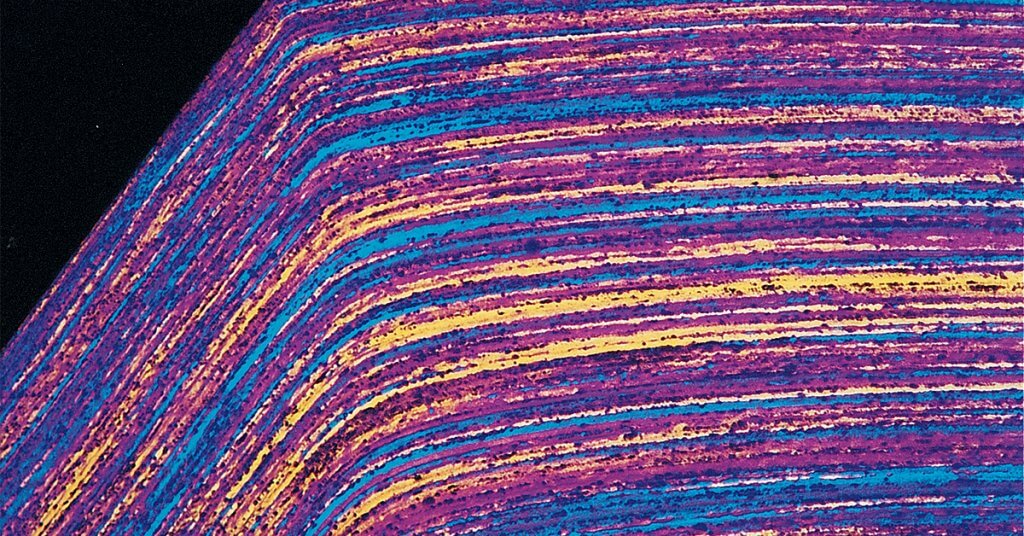
The primary purpose of mounting metallographic samples is for convenience in handling samples of difficult shapes or sizes during the subsequent steps of metallographic preparation and examination. A secondary purpose is to protect and preserve extreme edges or surface defects during metallographic preparation. The method of mounting should in no way be injurious to the […]
Grinding and Polishing Guide
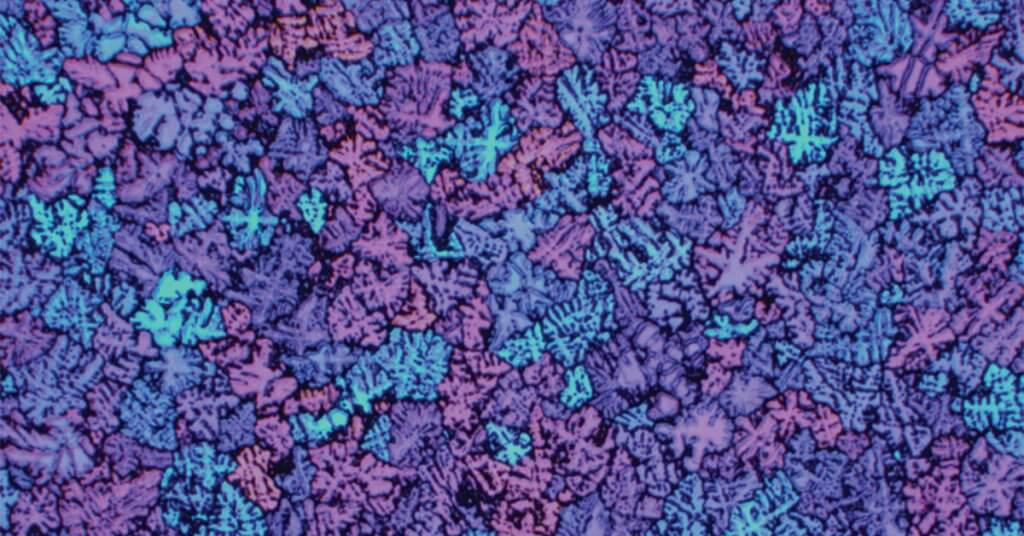
Grinding should commence with the finest grit size that will establish an initially flat surface and remove the effects of sectioning within a few minutes. An abrasive grit size of 180-240 [P180-P280] is coarse enough to use on specimen surfaces sectioned by an abrasive wheel. Hack-sawed, bandsawed, or other rough surfaces usually require abrasive grit […]
Metallographic Etching
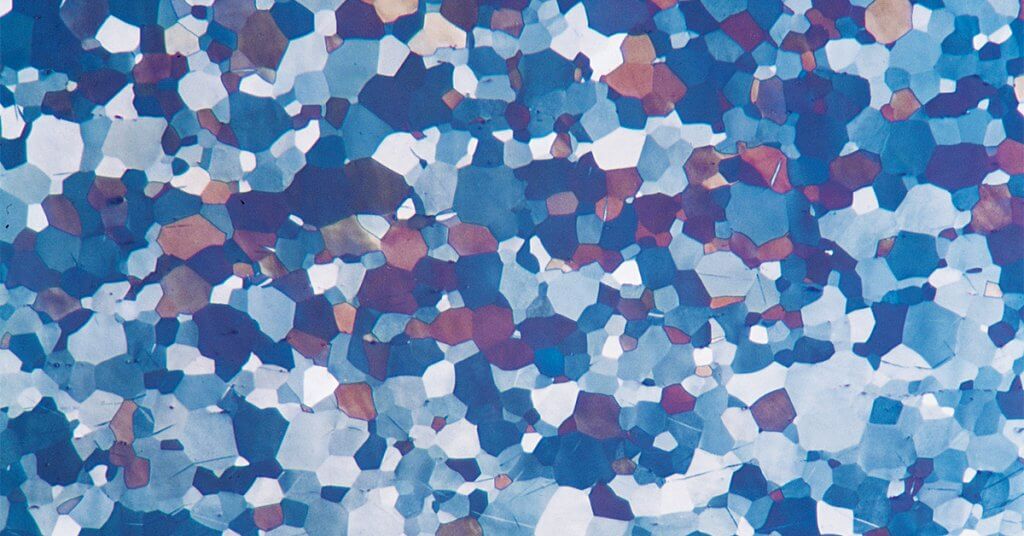
Metallographic etching encompasses all processes used to reveal particular structural characteristics of a metal that are not evident in the as-polished condition. Examination of a properly polished specimen before etching may reveal structural aspects such as porosity, cracks, and nonmetallic inclusions. Indeed, certain constituents are best measured by image analysis without etching, because etching will […]